

Our Coaches
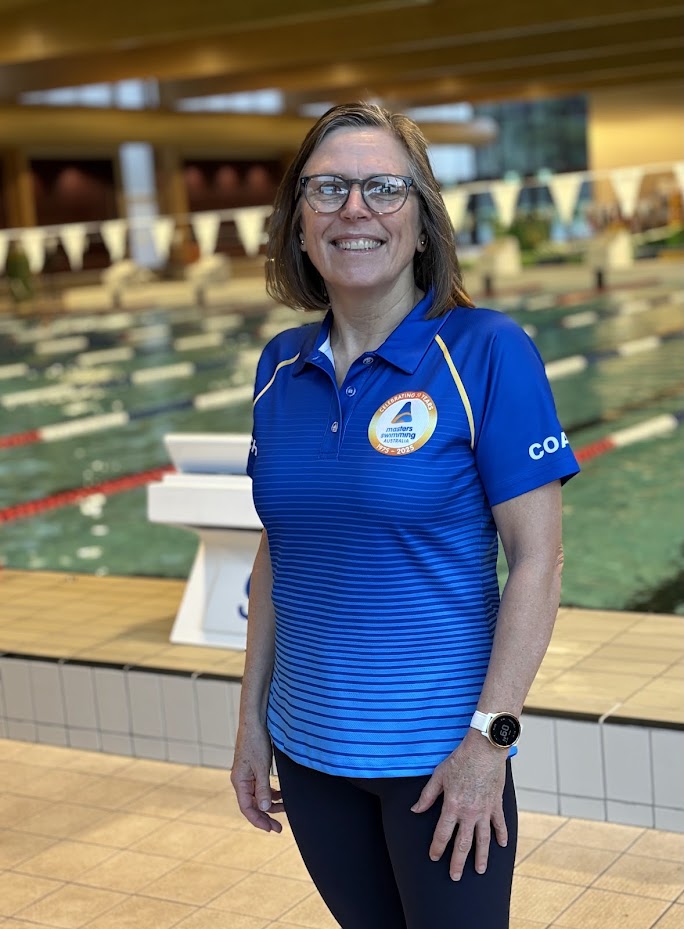
Cheryl Chambers
Masters Swimming Australia Club Coach.
Coach ID number: MSA 98082
Expires: 16 July 2027
2024 MSA Coaching Excellence Award recipient.
2025 – 2 Million Metres Award recipient.
2026 MSA Coach Educator
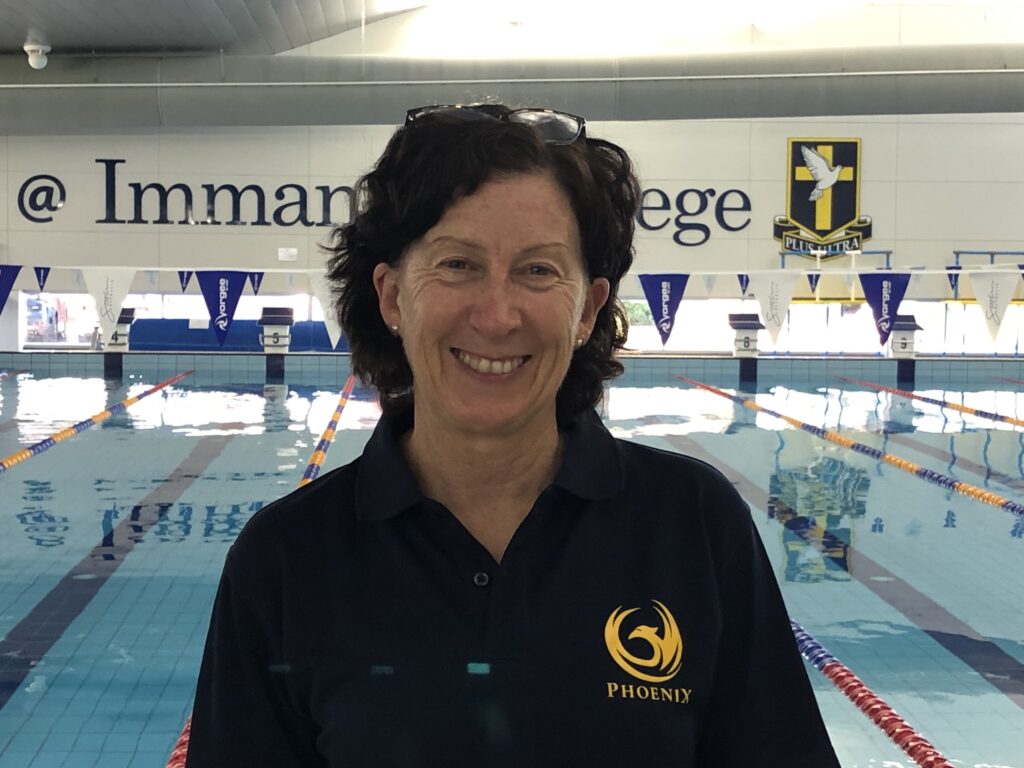
Joanne Sutcliffe
Masters Swimming Australia Club Coach.
Coaching ID number: MSA 97458
Expires: 18 March 2028
Multiple National and State Record holder.
2025 – 2 Million Metres Award recipient
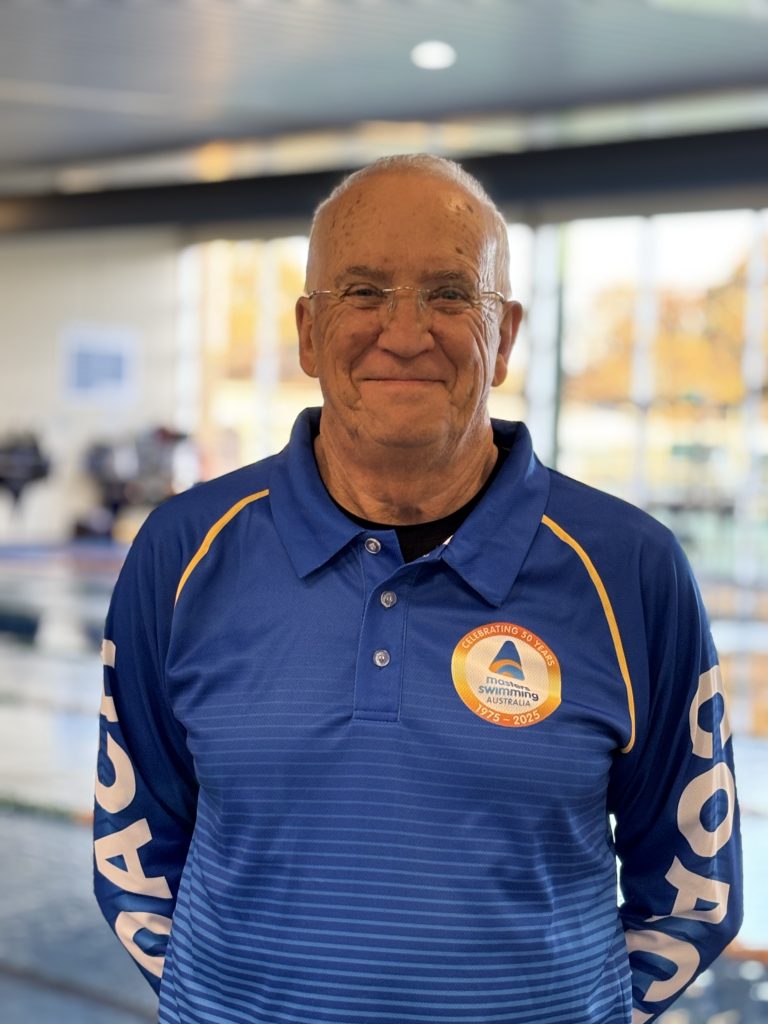
Neal Bertram
Masters Swimming Australia Club Coach.
Coaching ID number: MSA 99139
Expires: 3 February 2028
2025 – 4 Million Metres Award recipient.
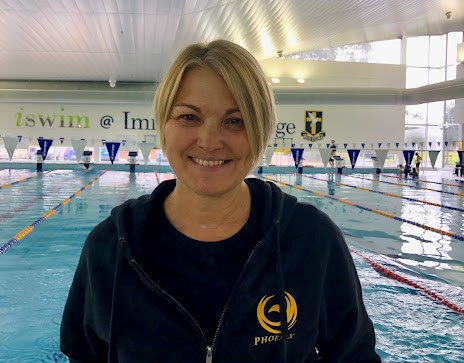
Julie Taylor
Masters Swimming Australia Club Coach.
Coaching ID number: MSA 132097
Expires: 16 April 2027
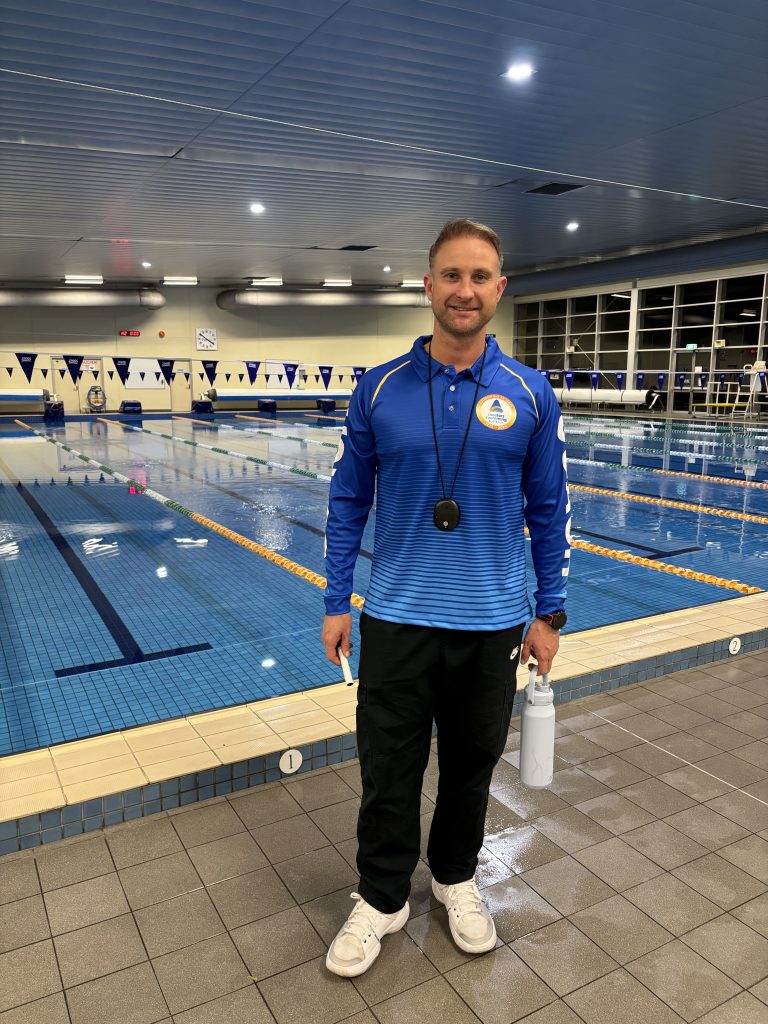
Matthew Smith
Masters Swimming Australia Club Coach.
Coaching ID number: MSA 212191
Expires: 04 April 2028
Training Sessions
Monday, Adelaide Aquatic Centre, Jeffcott Road, North Adelaide, 7.30 – 8.30pm.
Wednesday, Westminster School pool, Alison Avenue, Marion, Gate 4, 7.00 – 8.00pm.
Saturday, Unley Swimming Centre, Ethel Street, Forestville, 9.30 – 10.30am.
Our preferred method of payment is by EFT and two 10 swim passes are available from the Club. Simply choose which pass you require and transfer the money to the club bank account, with referrence “surname pass” and show either the coach or committee member your transfer receipt to pick up your pass at the pool.
The Westminster/Unley ten swim pass is $115, including entry.
The Adelaide Aquatic Centre ten swim pass is $145, including entry.
The price of a casual swim without a pass is $14, paid by EFT to the Club.
There is also a “Starter Pass” for new swimmers, 4 swims for $50.
Bank details are –
Bendigo Bank
Acc Name: Phoenix Masters Swimming Club
BSB: 633-000
Acc: 178 100 152
Pool Etiquette Guidelines
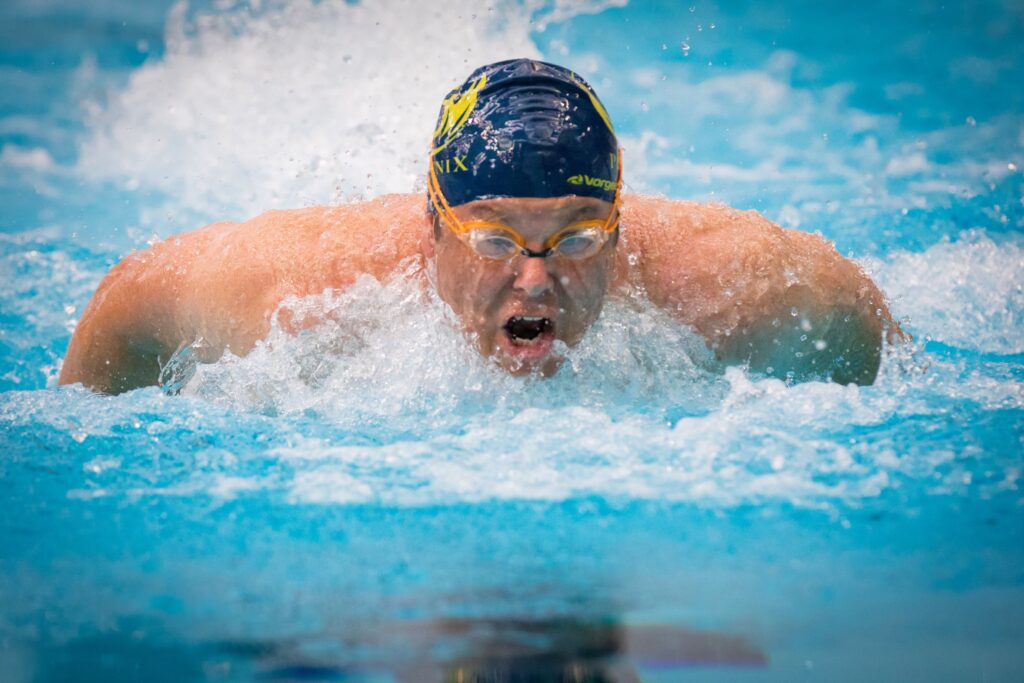
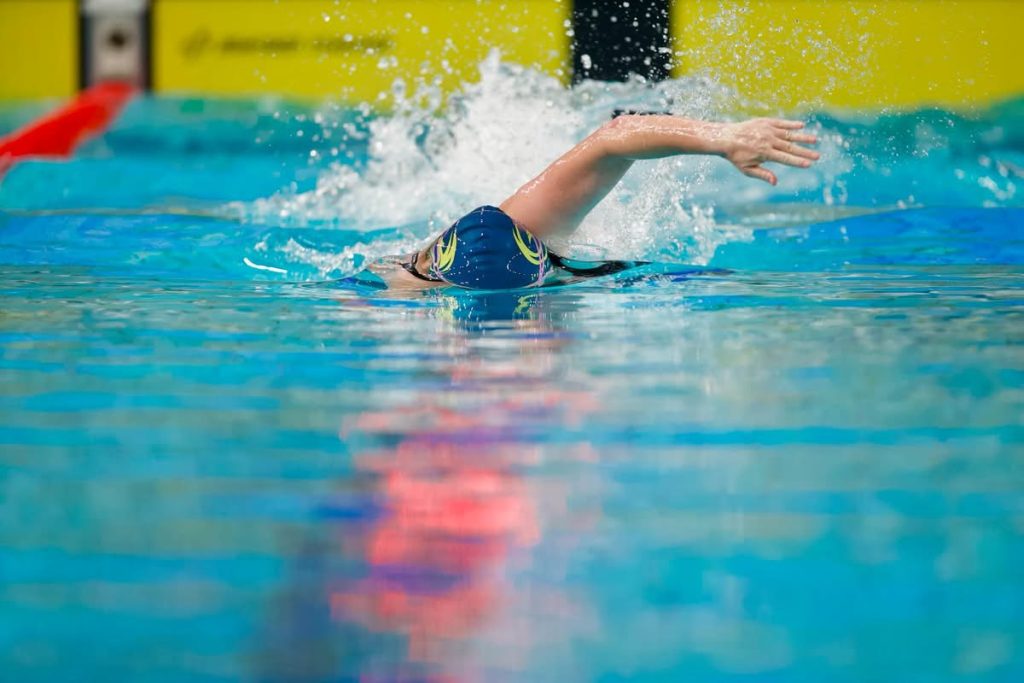
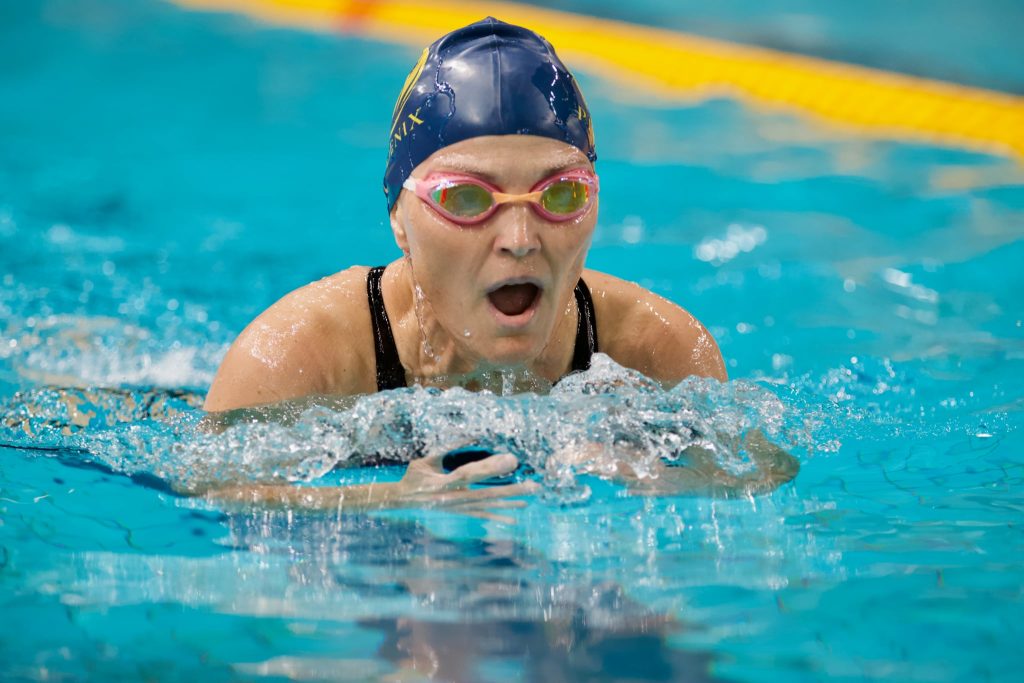
Arrive at training 10 minutes early, to sign in, stretch, get your equipment ready and start the set on time.
We swim in opposite directions, even numbered lanes swim in a clockwise direction and odd numbered lanes swim in an anticlockwise direction, keeping as close as possible to the lane rope.
The fastest swimmer for that stroke goes first.
After finishing at the wall, move across to the other side of the lane and line up along the lane rope so that others can finish at the wall.
Turn in the centre of the lane when possible.
During sets, check when other swimmers are going to start their next lap and avoid pushing off or crossing in front of them.
Generally, leave at least a five-second interval between swimmers during sets and repetitions. This gives swimmers room to navigate the lane, especially on turns.
If resting, move to the sides of the lane so others can still turn.
Be aware of where other swimmers are in your lane and how fast they are going. Nobody likes to collide head on or be swum over.
If you find yourself being ‘toe-tickled’, the swimmer behind wants to overtake; at the next wall, move to the side and let the swimmer behind swim through.
Swim in the lane appropriate to your current ability.
Try to keep your own count on sets and repetitions.
The clock is your friend, use it to get the most from your sessions.
Swimmers have a responsibility to:
Be aware of their own capabilities and fitness level and swim the session accordingly.
Observe lane etiquette.
Respect the coach and listen while instructions are being given.
Inform the coach if they are injured, or have a medical condition.
Notify the coach if they leave the pool before the end of the training session.
Coaches have a responsibility to:
Be sensitive to the very wide variety of ability, health, strength and endurance within the group of Masters swimmers and therefore they should:
Engage all swimmers in the group and discuss their individual goals and reason for attending the training sessions.
Respect those swimmers who wish to merely train for fun and fitness and allow them to do so without undue pressure.
Respect those swimmers who wish to train harder for competition and allow them to do so.
Recognise injured swimmers and complete an incident report as soon as possible. After the report is completed the Club should be informed by email of any injuries sustained during the session for further action.